What if Humans Grow New Sensory Organs?
What if Humans Grow New Sensory Organs?
Introduction
Our five senses, sight, hearing, touch, taste, and smell, are the foundation of how we experience life. Yet, nature is filled with creatures who sense the world in ways we can’t. Sharks detect electric fields, bats navigate with echolocation, and snakes “see” heat. What if, someday, humans grew new sensory organs? Would we unlock new ways of experiencing reality, or would it change our lives in ways we can’t yet imagine?
Could Humans Really Develop New Senses?
Biology tells us evolution doesn’t stop. It adapts as environments shift. If humans faced new survival pressures, we might eventually develop additional senses. Modern science also plays a role: genetic engineering, cybernetic implants, and brain-computer interfaces could give us abilities evolution alone might take millions of years to create.
Possible New Human Senses
- Magnetoreception (Sense of Magnetic Fields): Like migratory birds, we could naturally detect Earth’s magnetic field, always knowing direction.
- Infrared Vision: Our eyes could evolve to see heat, letting us spot animals, people, or even machines in the dark.
- Echolocation: Inspired by bats and dolphins, humans might emit subtle clicks to “see” our surroundings with sound.
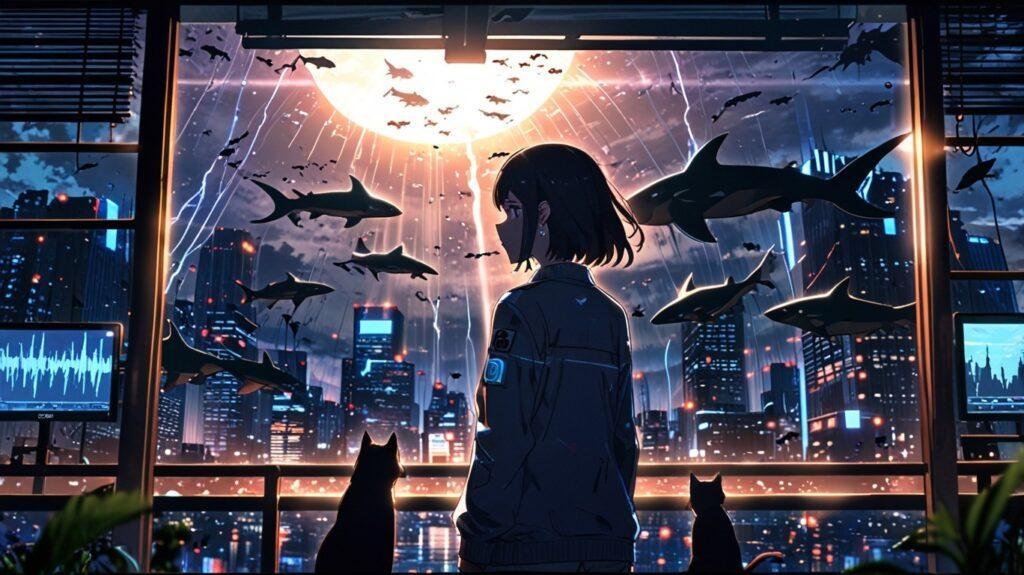
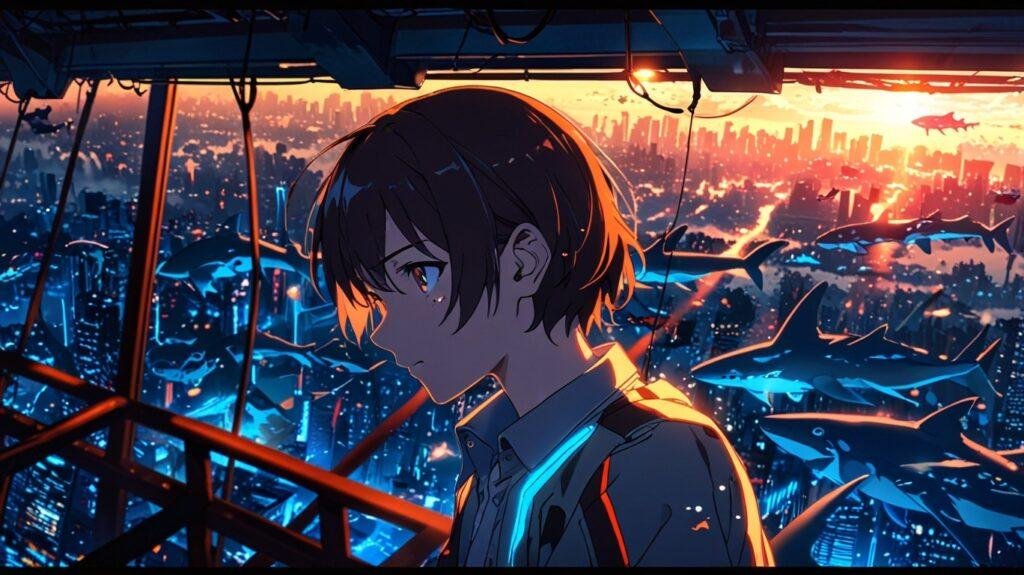
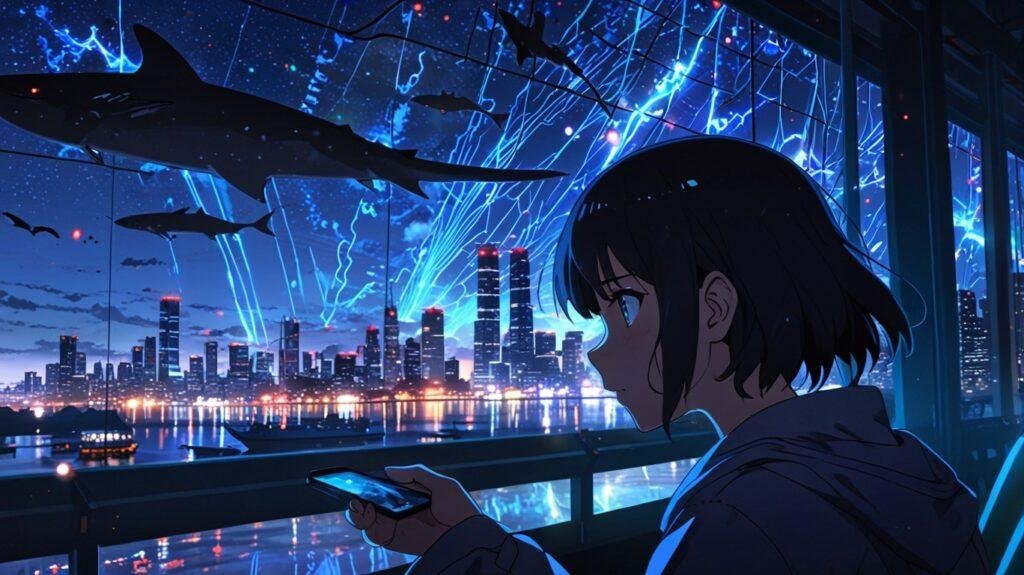
- Electroreception: Like sharks, we could feel faint electrical signals—perhaps sensing technology or even brain activity.
- Expanded Taste and Smell: New chemical sensors might let us detect toxins, diseases, or even emotional states in others.

Pros of New Sensory Organs
- Survival Advantages: We’d adapt better to new environments, from cities to space colonies.
- Medical Uses: Doctors might “sense” illness before machines detect it.
- Deeper Awareness: Our relationship with nature and each other could deepen, as perception expands.
Cons of New Sensory Organs
- Overwhelming Input: Imagine trying to live with constant new signals flooding your brain.
- Social Divide: If only some people developed these senses (through tech or evolution), society might split into “enhanced” and “non-enhanced.”
- Unintended Consequences: A sense meant for survival might create paranoia, sensory overload, or even isolation.
Science Is Already Experimenting
Researchers have created sensory substitution devices, like vests that translate sound into vibrations for deaf users, or implants that allow the blind to “see” with electrodes. Some experiments even let humans sense north like a compass. These are not new organs yet, but they hint at what’s possible.
What If Society Had Extra Senses?
Imagine walking through a city and feeling the electromagnetic hum of every device. Or traveling through the wilderness and instantly sensing the magnetic pull of true north. Communication, navigation, and medicine could leap forward. But privacy might vanish if people could “sense” emotions, lies, or hidden signals.
Key Points to Consider
- Evolution and Technology Could Both Play a Role – Nature may give us new senses slowly, while science speeds it up.
- Senses Could Reshape Society – From how we travel to how we interact.
- Balance Is Needed – New perception could be powerful, but overwhelming.
Our Thoughts
The idea of humans growing new sensory organs is both thrilling and daunting. It would mean stepping into a world richer than we can currently imagine, full of signals, patterns, and layers of reality invisible to us today. Yet with every gift comes responsibility: new senses could connect us more deeply to the universe, or drown us in information we’re not prepared to handle.
🔗 Related Articles from EdgyThoughts.com
🌐 External Resource
Learn more about human senses and sensory perception on Wikipedia:
https://en.wikipedia.org/wiki/Sense
Takeaway: If humans grew new sensory organs, our world would no longer be the same; it would be bigger, stranger, and infinitely more complex.




One Comment
Comments are closed.